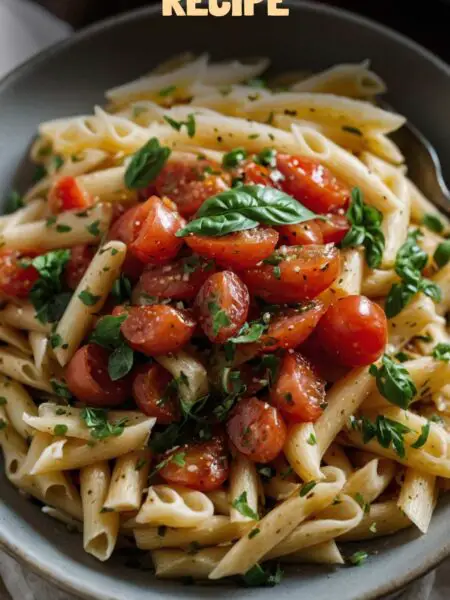
Before we delve into the delightful world of manestra, let’s talk about what you can serve with it. This dish shines on its own but can be complemented beautifully.
- Greek Salad: The crispness of cucumbers, tomatoes, olives, and feta pairs perfectly with manestra’s comforting flavors.
- Grilled Vegetables: A medley of zucchini, bell peppers, and eggplant on the grill brings out the richness of the tomato-based sauce.
- Lamb Chops: If you’re feeling indulgent, grilled lamb chops can elevate your meal to a new level.
- Crispy Pita Chips: These can add a satisfying crunch to your meal, perfect for dipping into the orzo.
- Tzatziki Sauce: A dollop of this tangy yogurt sauce can add a refreshing surprise with every bite of orzo.
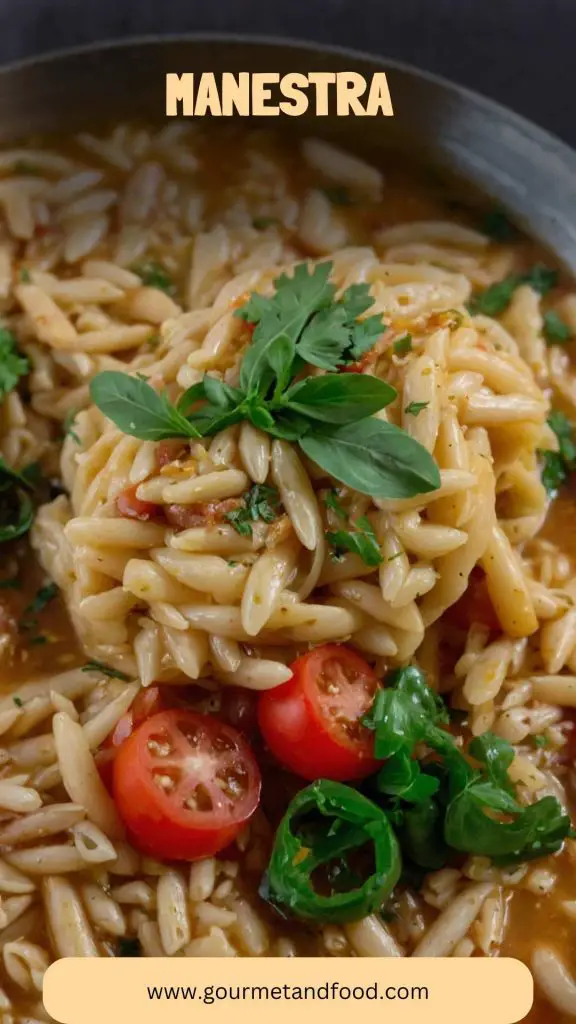
I stumbled upon manestra while flipping through a collection of cherished family recipes passed down through generations. This dish encapsulates the essence of home, warmth, and comfort. If you’ve ever had a rainy day that begged for cozy food, this is it. Imagine a creamy orzo swimming in rich tomato sauce, mingling with tender bits of meat, and aromatic herbs. It’s Mediterranean comfort food at its best.
As someone who enjoys experimenting with food, the simplicity of manestra drew me in. It’s not just about throwing ingredients together; it’s the experience of creating something delicious. The rich history behind this dish adds to its charm. Often enjoyed during family gatherings, manestra tells a story of tradition and cultural pride. Ready to dive in?
You Might Also Like These Recipes!
What is Manestra?
Manestra is a traditional Greek dish primarily made with orzo—a rice-shaped pasta—and a savory sauce, often featuring meat and aromatic herbs. The word itself evokes images of hearty family meals, laughter, and shared moments around a table. Originating from the region of the Aegean Sea, manestra adapts beautifully to home kitchens across the globe.
In its essence, manestra is like a warm hug on a chilly evening. The combination of slow-cooked flavors makes it a true comfort dish. Whether you’re feasting alone or sharing with friends, there’s a universal appeal to this dish that brings people together.
Why You’ll Love This Manestra
There are countless reasons to love manestra, and here are just a few:
Comforting Flavors
First and foremost, the flavor profile is delightful. The rich tomato sauce fused with aromatic spices and tender orzo creates a satisfying experience. Every bite carries the essence of Greek cuisine, embracing umami and warmth.
Versatility
Next, let’s talk about versatility. This recipe easily lends itself to improvisation. Want to ditch the meat? Substitute with chickpeas for a hearty, protein-packed vegetarian version. Prefer complex flavors? Swap in different herbs or spices to make it uniquely yours.
Nutrition Done Right
If you’re concerned about nutrition, manestra fits the bill. It’s a balanced meal that includes carbohydrates from orzo and protein from meat, all while keeping fat content reasonable—especially if you use lean meats.
Family-Friendly
I can’t stress enough how family-friendly this dish is. Even picky eaters will appreciate the pleasing textures and appealing flavors. It’s a simple way to entice everyone to the dinner table.
Make-Ahead Wonder
Finally, manestra is fantastic for meal prep. Making it ahead in larger batches means you’ll have delicious leftovers for days and not need to stress about dinner on busy evenings.
The Ingredients You Will Need to Make Manestra
To prepare this delightful dish, you will need the following ingredients:
- 1 cup orzo (Whole wheat or traditional)
- 1 tablespoon extra-virgin olive oil
- ¼ teaspoon ground cinnamon
- 6 oz rich tomato paste
- 1 small bay leaf (adds depth of flavor, remember to remove it before serving)
- 1 lb ground beef, lamb, or turkey
- Freshly cracked black pepper, to taste
- 1 large onion, finely diced
- ½ teaspoon smoked paprika (for subtle warmth)
- 1 heaping teaspoon dried spearmint (or 1 tablespoon fresh mint, finely chopped)
- 4 cups water or light broth
- 1 teaspoon kosher salt, plus more as needed
- Grated Romano cheese (optional, for serving)
- Fresh chopped mint or parsley (optional, for garnish)
- A drizzle of extra-virgin olive oil (optional, for serving)
Directions
Let’s get into the nitty-gritty of making manestra. Follow these detailed steps to create your own delicious version.
Step 1: Prep the Ingredients
Start by gathering all your ingredients. Finely dice the onion and measure out the spices and tomato paste. Having everything ready will streamline the cooking process.
Step 2: Sauté the Aromatics
In a large pot, heat the olive oil over medium heat. Add the diced onion and sauté until translucent, stirring occasionally. This should take about 5-7 minutes. Let the aroma fill your kitchen; it’s going to be an inviting meal.
Step 3: Brown the Meat
Next, toss in your ground meat. Break it apart with a spatula as it cooks. Aim for a nice golden-brown color, which will enhance the dish’s flavor. This should take about 8-10 minutes. Don’t rush this; browning adds depth.
Step 4: Add Tomato Paste and Spices
Once the meat has browned, stir in the tomato paste, cinnamon, smoked paprika, and bay leaf. Let everything simmer for another 3-4 minutes. You’ll see the mixture begin to thicken, and that’s a good sign!
Step 5: Incorporate Orzo and Liquids
Pour in the water or broth and add the orzo. Stir everything gently to combine. Season with salt and freshly cracked black pepper, adjusting to taste. Bring the mixture to a boil, then reduce the heat to low and cover. Allow it to cook for about 12-15 minutes, stirring occasionally to prevent sticking.
Step 6: Adjust Seasoning and Garnish
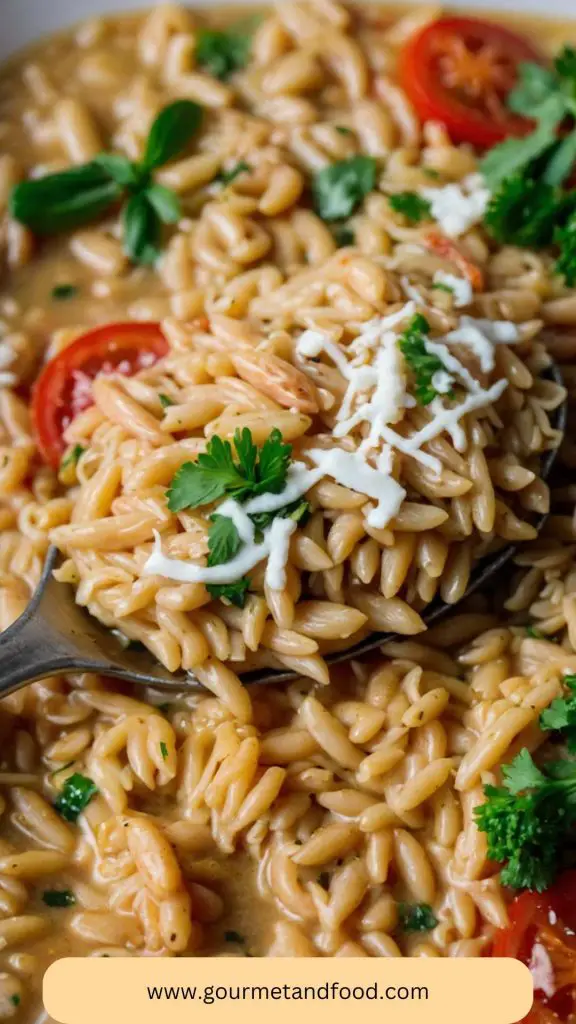
Once the orzo is cooked and absorbed most of the liquid, remove the bay leaf. Taste the manestra and adjust salt and pepper as needed. Serve it hot in bowls, garnished with grated Romano cheese, fresh mint, or parsley, along with a drizzle of olive oil.
Notes
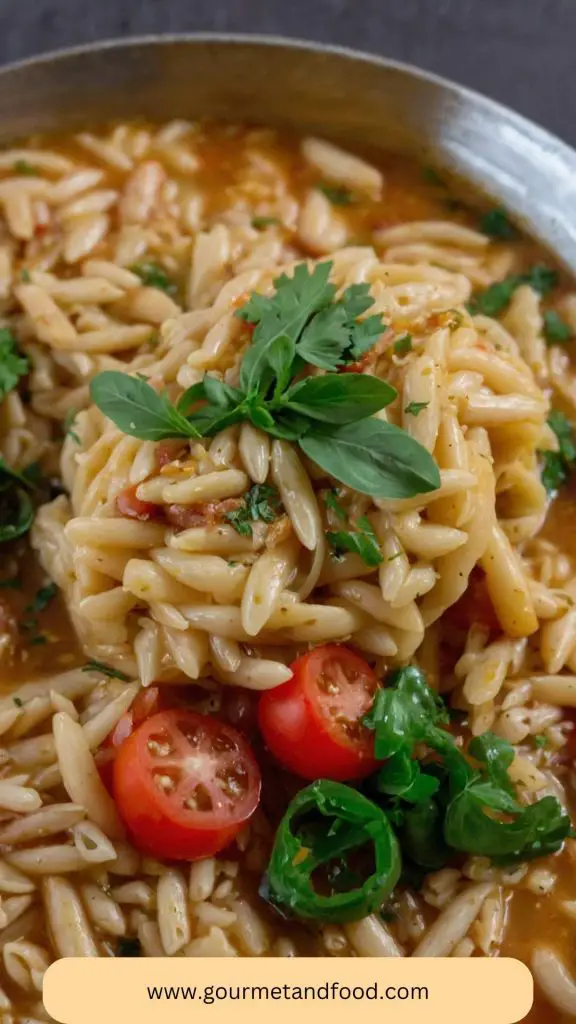
Here are some helpful tips to enhance your manestra experience:
- Choose Quality Ingredients: Using good quality olive oil and fresh herbs elevate the dish immensely.
- Mind the Orzo: Keep an eye on the orzo as it cooks. You don’t want it overly mushy, just perfectly al dente.
- Experiment with Proteins: Ground turkey can make this dish leaner, while lamb offers traditional flavors.
- Herb Variations: Fresh herbs can replace dried ones, offering brighter flavors. Experiment with basil, oregano, or dill.
- Batch Cooking: Make a double or triple batch for future meals; it freezes well.
Storage Tips
Storing manestra is easy and practical. To keep leftovers:
- Refrigerate: Place any remaining manestra in airtight containers. It can last in the fridge for up to 3-4 days.
- Freeze: If you want to store it longer, then freeze it in portions. Just make sure to leave out the cheese, as it doesn’t freeze well. You can always add fresh cheese when reheating.
Nutrition Information
A typical serving of manestra offers a balance of carbohydrates, protein, and healthy fats. On average, one dish provides:
- Calories: Approximately 350-450 (depending on the meat and broth used)
- Protein: 25-30g
- Fiber: 3-5g
- Fat: 10-15g
- Carbohydrates: 40-50g
Serving Suggestions
Make your dinner table appealing with these serving ideas:
- Garnish with Fresh Herbs: Chopped parsley or mint not only looks beautiful but also adds a fresh kick at serving time.
- Add a dollop of Tzatziki: A scoop of tzatziki on the side provides a tangy, cooling contrast to the savory flavors.
- Pair with Crusty Bread: Serve with a slice of warm, crusty bread for dipping and soaking up the delicious sauce.
- Side of Roasted Vegetables: Roasted seasonal vegetables add color and nutrients to your meal, making it a well-rounded feast.
- Finish with Feta Crumbles: Sprinkling feta cheese on top before serving gives a lovely creamy texture and enhances the flavor.
What Other Substitutes Can I Use in Manestra?
If you’re looking to tweak manestra further, consider these substitutes:
- Quinoa Instead of Orzo: Quinoa provides a nutritious grain alternative with added protein and fiber.
- Chickpeas for Meat: Chickpeas bring in protein without meat. They soak up flavors beautifully.
- Zucchini Noodles: Using zoodles lowers the carbs while adding extra veggies to your dish.
- Vegetable Broth: For a vegetarian option, switch to vegetable broth instead of meat-based broth for a lighter taste.
- Canned Tomatoes: Instead of tomato paste, use canned crushed tomatoes for a chunkier texture.
Conclusion
Manestra is more than just a meal; it’s a story of tradition, comfort, and creativity. This simple Greek orzo dish embodies all that is cozy, familiar, and fulfilling. It reminds us of the importance of gathering around the table. Whether you serve it to family on a weeknight or bring it to a potluck, manestra is guaranteed to be a hit. So, roll up your sleeves, gather your ingredients, and create your own version of this beloved dish.
Bon appétit!
You Might Also Like These Latest Recipes!

Manestra – Gourmet And Food
Description
I stumbled upon manestra while flipping through a collection of cherished family recipes passed down through generations. This dish encapsulates the essence of home, warmth, and comfort. If you’ve ever had a rainy day that begged for cozy food, this is it. Imagine a creamy orzo swimming in rich tomato sauce, mingling with tender bits of meat, and aromatic herbs. It’s Mediterranean comfort food at its best.
As someone who enjoys experimenting with food, the simplicity of manestra drew me in. It's not just about throwing ingredients together; it’s the experience of creating something delicious. The rich history behind this dish adds to its charm. Often enjoyed during family gatherings, manestra tells a story of tradition and cultural pride. Ready to dive in?
Ingredients
Instructions
-
Let’s get into the nitty-gritty of making manestra. Follow these detailed steps to create your own delicious version.
Step 1: Prep the Ingredients
-
Start by gathering all your ingredients. Finely dice the onion and measure out the spices and tomato paste. Having everything ready will streamline the cooking process.
Step 2: Sauté the Aromatics
-
In a large pot, heat the olive oil over medium heat. Add the diced onion and sauté until translucent, stirring occasionally. This should take about 5-7 minutes. Let the aroma fill your kitchen; it’s going to be an inviting meal.
Step 3: Brown the Meat
-
Next, toss in your ground meat. Break it apart with a spatula as it cooks. Aim for a nice golden-brown color, which will enhance the dish’s flavor. This should take about 8-10 minutes. Don’t rush this; browning adds depth.
Step 4: Add Tomato Paste and Spices
-
Once the meat has browned, stir in the tomato paste, cinnamon, smoked paprika, and bay leaf. Let everything simmer for another 3-4 minutes. You'll see the mixture begin to thicken, and that’s a good sign!
Step 5: Incorporate Orzo and Liquids
-
Pour in the water or broth and add the orzo. Stir everything gently to combine. Season with salt and freshly cracked black pepper, adjusting to taste. Bring the mixture to a boil, then reduce the heat to low and cover. Allow it to cook for about 12-15 minutes, stirring occasionally to prevent sticking.
Step 6: Adjust Seasoning and Garnish
-
Once the orzo is cooked and absorbed most of the liquid, remove the bay leaf. Taste the manestra and adjust salt and pepper as needed. Serve it hot in bowls, garnished with grated Romano cheese, fresh mint, or parsley, along with a drizzle of olive oil.
Nutrition Facts
Servings 4
- Amount Per Serving
- Calories 350kcal
- % Daily Value *
- Total Fat 10g16%
- Total Carbohydrate 40g14%
- Dietary Fiber 3g12%
- Protein 25g50%
* Percent Daily Values are based on a 2,000 calorie diet. Your daily value may be higher or lower depending on your calorie needs.
Note
Here are some helpful tips to enhance your manestra experience:
- Choose Quality Ingredients: Using good quality olive oil and fresh herbs elevate the dish immensely.
- Mind the Orzo: Keep an eye on the orzo as it cooks. You don’t want it overly mushy, just perfectly al dente.
- Experiment with Proteins: Ground turkey can make this dish leaner, while lamb offers traditional flavors.
- Herb Variations: Fresh herbs can replace dried ones, offering brighter flavors. Experiment with basil, oregano, or dill.
- Batch Cooking: Make a double or triple batch for future meals; it freezes well.